

Story and community
The project began by listening.
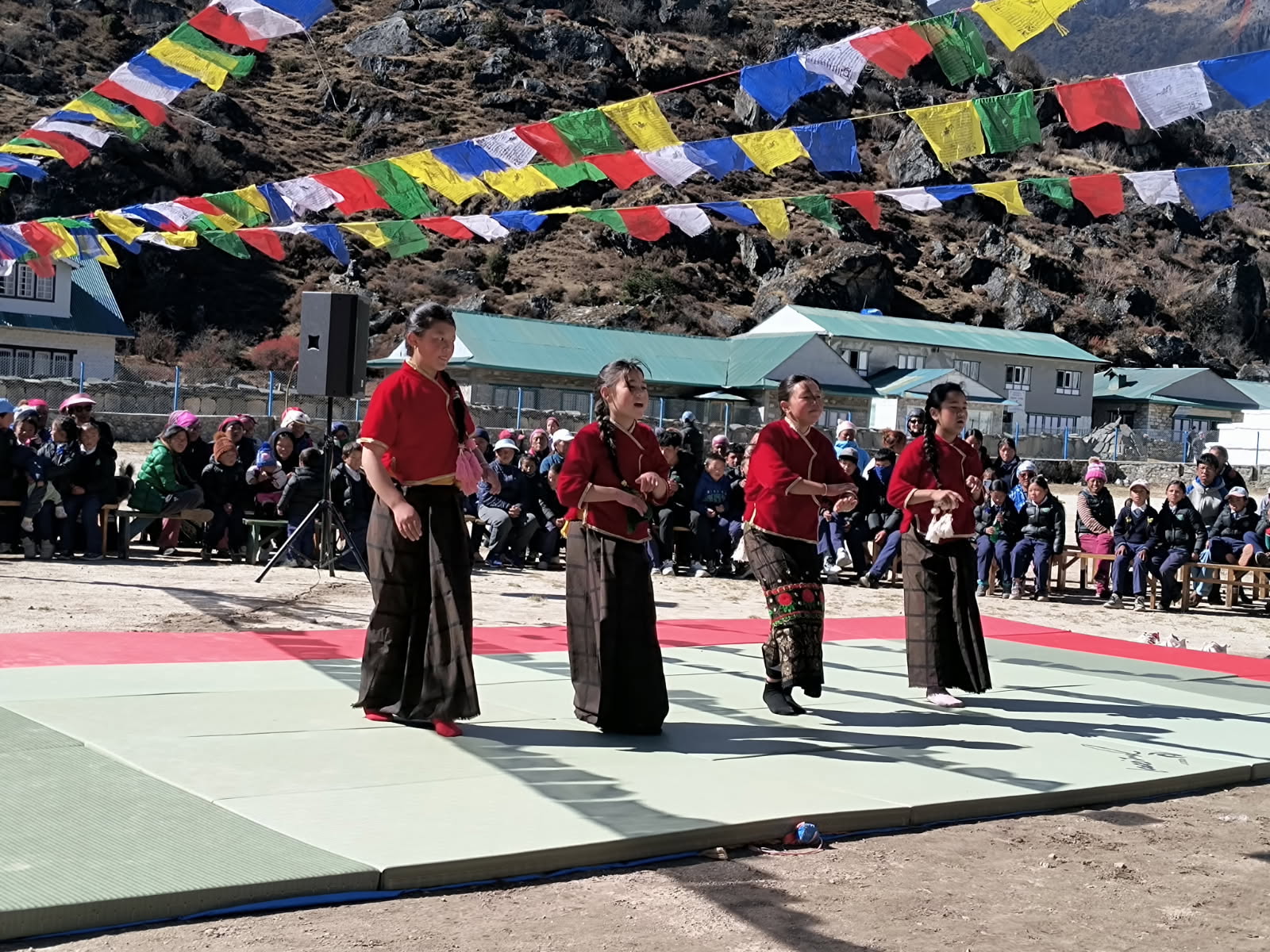
The Growing Dome mission is rooted in the school’s own challenge, local relationships, ethnographic research, and a commitment to proceed with the wishes of the community and its culture.
A long arc of service
From schoolhouse to growing space.
The story reaches back to the early 1960s, when a Sherpa elder told Sir Edmund Hillary that education was the resource the community most desired. Hillary’s response helped begin a network of schools and clinics across the region.
Decades later, the current school principal identified another practical need: a protected place to grow more food for the school and community throughout the year. The foundation’s role is to help translate that locally expressed need into a viable, respectful, and durable project.
1961
The schoolhouse in the clouds
Sir Edmund Hillary and a team of mountaineers helped construct the first schoolhouse in Khumjung after listening to the community’s desire for education.
2021
A return to the Khumbu Valley
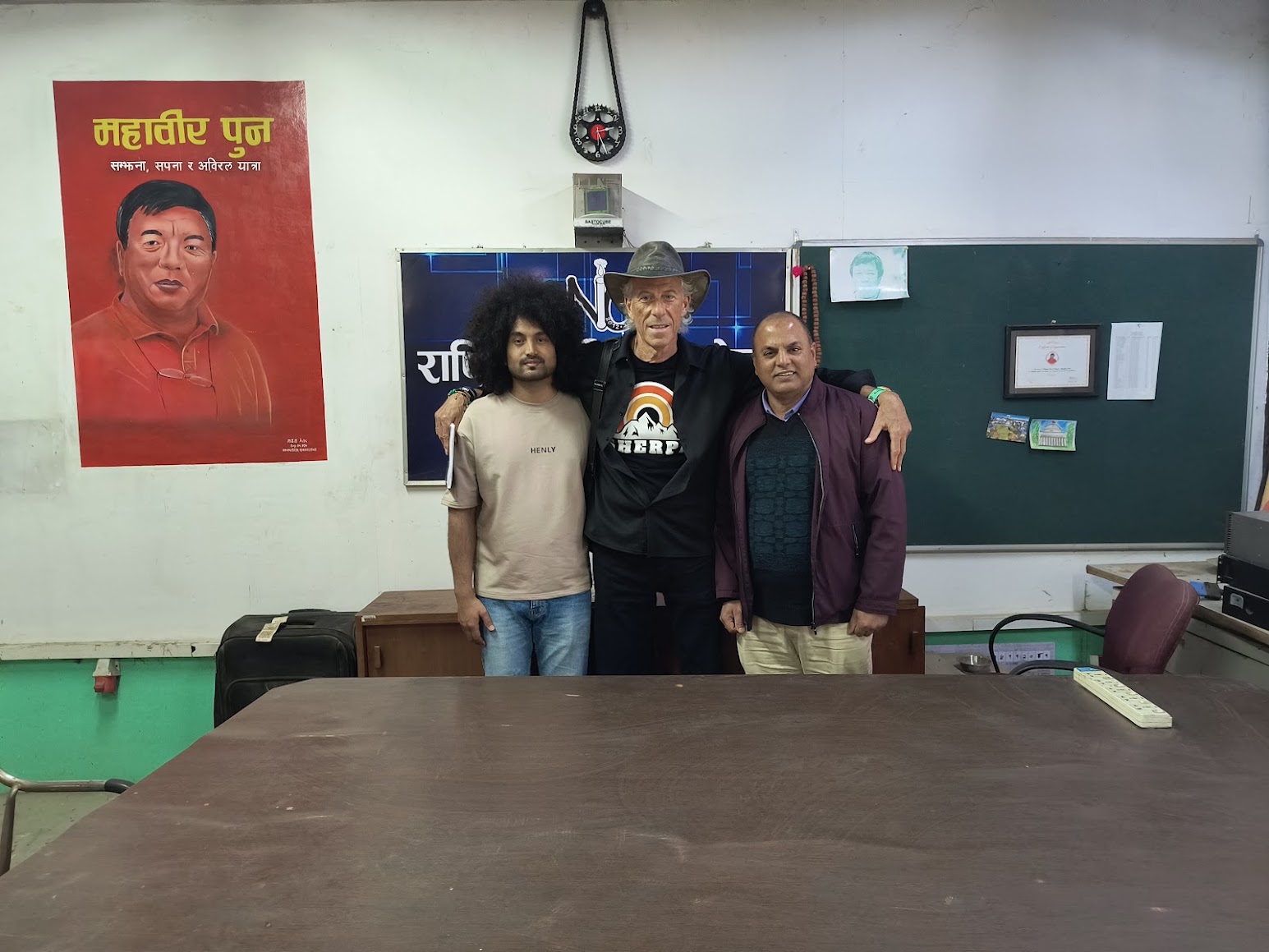
Gary Lesley returned to Nepal and later pursued graduate research in applied anthropology focused on resilience, adaptation, and community priorities in Khumjung.
2022
The principal’s challenge
Principal N.D. Rai identified year-round growing as a way to improve food variety, strengthen the school, and better support students, staff, and community.
2023
Foundation and project authorization
The Growing Dome in the Clouds Foundation formed to support the school’s initiative, fundraising, planning, partnerships, and project execution.
2024
Research published
The applied anthropology project documented the community context, technical feasibility, cultural safeguards, and a strategy for the first Growing Dome.
2025
A wider Nepal collaboration
The National Innovation Centre of Nepal announced a collaboration with the foundation around geodesic agricultural domes for remote communities.
Cultural alignment
How the work is meant to proceed.
The project is not simply about placing a structure in a dramatic location. Its legitimacy depends on how decisions are made, whose knowledge guides the work, and whether the system remains useful and manageable after outside teams leave.
Community-originated
The growing challenge and desired outcomes came from the school and community, not from an outside organization searching for a project.
Culturally grounded
Planning must respect Shar-wa culture, Buddhist values, local leadership, community relationships, and the right to define success locally.
School-connected
The dome is envisioned as part food system, part living classroom, and part community resource connected to the school’s long-term plan.
Technology in service
The geodesic structure is a tool that supports local knowledge and capacity. It is not a substitute for either one.
Research as a bridge
Applied anthropology shaped the project plan.
Gary Lesley’s 2024 graduate work at Minnesota State University, Mankato examined food insecurity, Shar-wa culture, high-altitude agriculture, geodesic growing technologies, stakeholder support, fundraising, and policies intended to reduce unintended consequences.
The research treats the dome as both a technical intervention and a social system. Success depends on local ownership, cultural fit, training, governance, and the ability to adapt over time.
View the Published ResearchMethod
Ethnographic immersion
Field observation, interviews, community relationships, cultural study, and analysis of the school’s priorities.
Output
A project and policy framework
A practical plan for technology, fundraising, cultural safeguards, stakeholder participation, and long-term operation.
Purpose
Local capacity and food sovereignty
A model intended to strengthen community agency rather than create dependence on outside expertise.
The people around the project
A team across mountains and cultures.
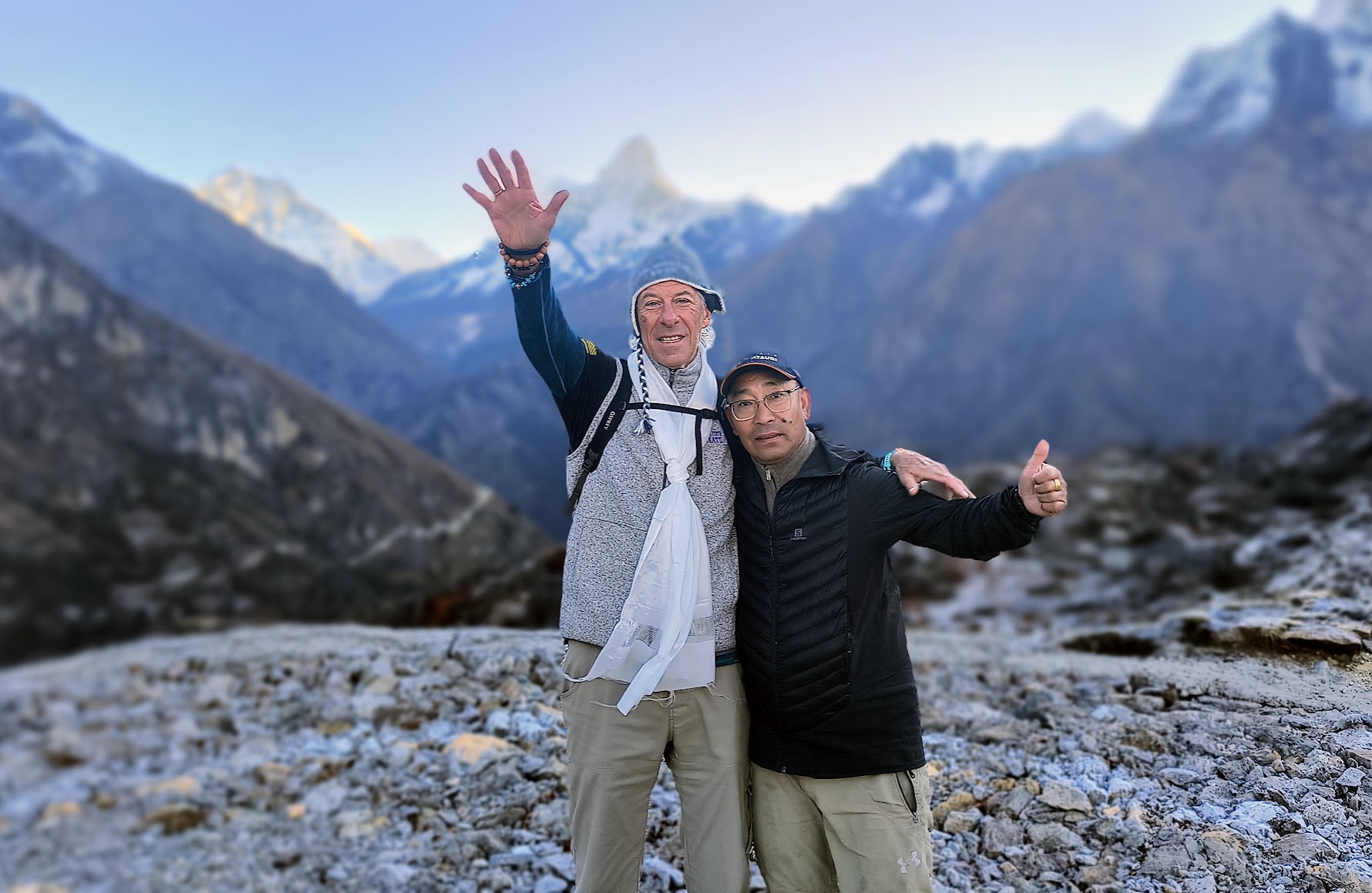
The project brings together school leadership, local community and construction knowledge, foundation stewardship, agricultural technology, academic research, donors, and Nepal-based innovation partners.
Pema Chhosang, a Khumjung community elder and school board member, has served as a local bridge for cultural sensitivity, construction understanding, and continued alignment with the school. Principal Rai remains the originator of the growing vision. Gary Lesley’s role has been to research, organize, communicate, and build the network needed to respond.